
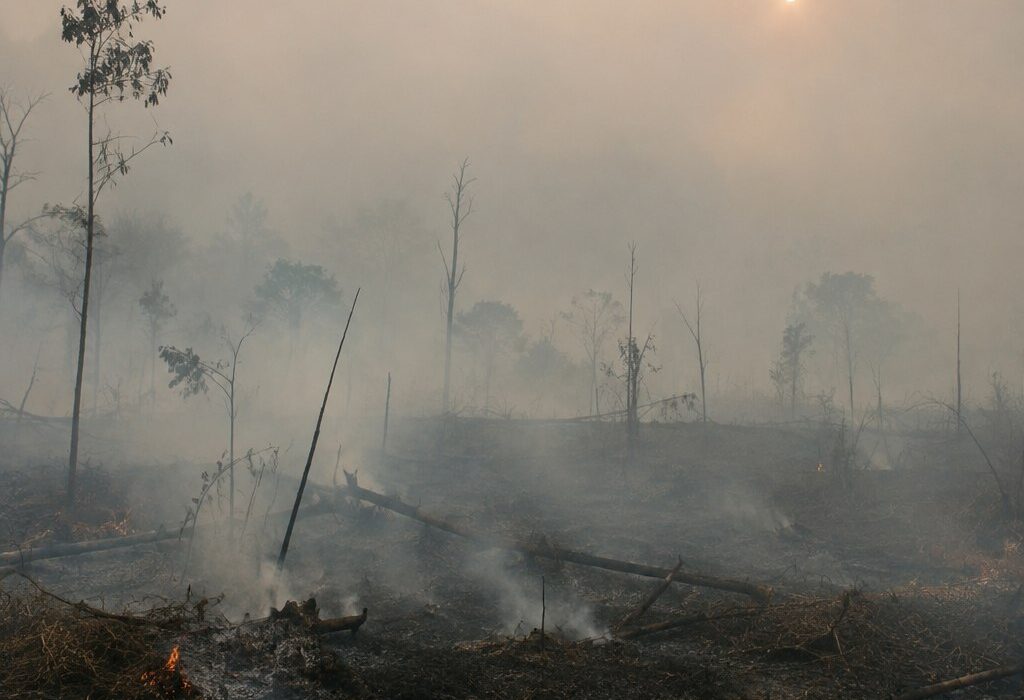
Southeast Asia has faced some severe fire and haze episodes over the years, often exacerbated by the climatic conditions associated with El Niño. These events have not only caused environmental degradation but have also significantly impacted public health and air quality across the region. The phenomenon of El Niño, characterized by warmer ocean temperatures in the Pacific, tends to heighten the frequency and intensity of these fires, leading to widespread smoke that blankets several countries, including Singapore, Malaysia, and Indonesia.
Historically, the most notable haze episodes were documented in years when El Niño was particularly strong. For instance, the haze crisis of 2015 was one of the worst on record, leading to hazardous air quality levels and prompting widespread health advisories. Farmers often engage in slash-and-burn practices for land clearing, which, combined with dry conditions during El Niño, creates a perfect storm for uncontrolled wildfires.
The repercussions of these fires extend beyond just the immediate environmental impact; they disrupt daily life, contribute to respiratory issues among residents, and strain healthcare resources. Efforts to address the situation have included regional cooperation among Southeast Asian nations, with initiatives to combat illegal burning and promote sustainable land management practices.
As we look to the future, understanding the cyclical nature of these incidents can help in formulating better preparedness strategies and mitigating the effects of haze on communities. The lessons learned from past events are vital for protecting both the environment and the health of millions in the region.