
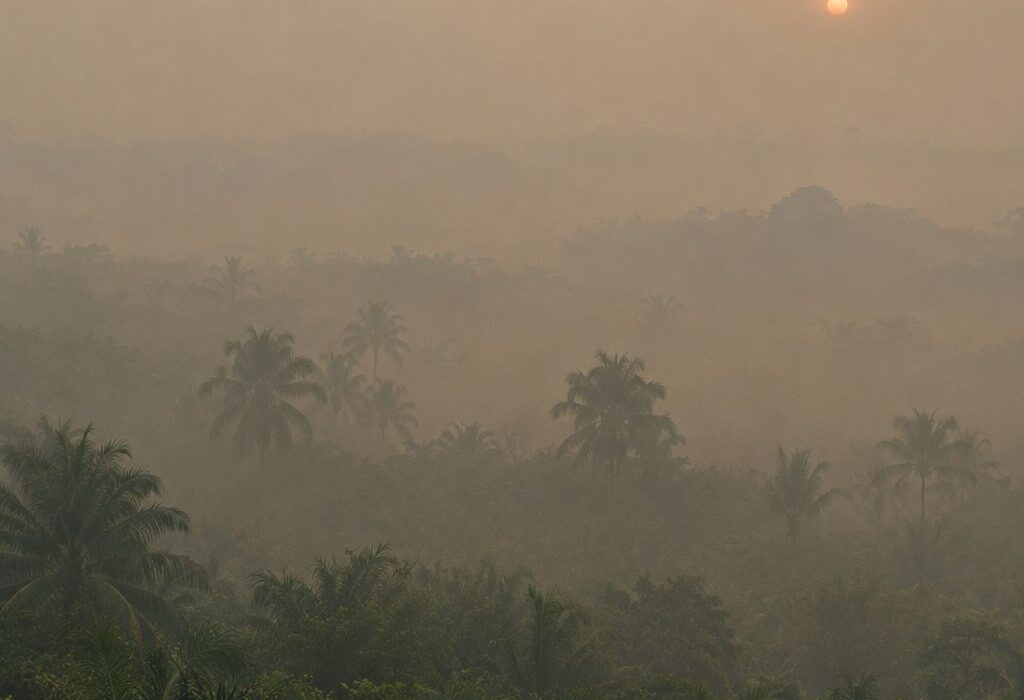
A new study has shed light on the increasing severity of haze in Indonesia, attributing it to the dual impact of climate change and the El Niño phenomenon. The research indicates that rising temperatures from climate change, combined with the dry conditions brought on by El Niño, have worsened the haze situation, which has significant implications for air quality and public health.
Despite the challenges posed by these environmental changes, researchers suggest that the patterns of haze production are becoming more predictable. This increased predictability opens up potential avenues for mitigation and response strategies. The study emphasizes that while the effects of climate change and El Niño are serious, understanding these phenomena better can lead to effective solutions to manage and reduce haze.
Given the recurring nature of this issue, it’s vital for stakeholders, including governments and environmental organizations, to focus on sustainable practices that can lessen the occurrence of haze. Implementing better agricultural techniques and managing land use more effectively could play a crucial role in tackling this environmental challenge. The urgency for action is clear, as both climate change and El Niño events are expected to continue influencing weather patterns in the region.